Wednesday, 22 July 2015

Last Day and Full of Mixed Feelings


Ahhh... we made it. The whirlwind of the last 10 days is coming to a close. I am full of mixed feelings oscillating between being happy to have "my summer" back and feeling sad that the thought provoking collaboration is over. Both of my summer courses have been very practical and applicable to my current teaching practice. In late August it will be time to move forward treat myself with kindness and get to work implementing all the fantastic ideas I have collected. 


This course has jporvided an open, inclusive, nuturing environment to share and develop ideas to support all students. I have developed friendships and professional working relationships that will carry on beyond our time in class. To help me remember names I am including a list of my amazing classmates below. 

Tena West (AVRSB)
Maggie Kenny (AVRSB)
David Greene (AVRSB)
Eleanor Querripel (HRSB)
Jasmin Stoffer (Inut teacher)
Jeanette Garrison (AVRSB)
Kate Sircom (AVRSB)
Mark Hill (AVRSB)
Natalie Tringle (AVRSB)
Starr Kingston (Bathusrt NB)
Joy Ashford (UAE)
Roxanne Seaman (Acadia)

I have found it challenging and difficult to reflect well taking two classes and trying to keep up with assignments and commitments outside of classes. I find I need quiet time to process the information before I can reflect upon it. Truth be told I believe I will be processing these my two courses the rest of the summer.

I am amazed at the change in my thoughts about reflective journals. I now appreciate there value and have progressed from dreading having to complete them to actually starting to enjoy the process of looking back and forward at the same time.

Thank you Roxanne for being our fearless leader and empowering us to expand our horizons.

When contemplating my final blog I decided to create a word cloud with a brainstormed list of words from my experience. I am pleased with my final result...


Now it is time to sit back, relax and process the incredible last 10 days!

Day 10 Presentation Day

Presentation Day

I am looking forward to hear everyone's information. One of the benefits of the Masters courses is the networking and sharing of information is extremely valuable. We have all walked in different shoes and have different perspectives so sharing is the way to go.

Personal Story (Starr)
Diet
- gluten and casein free diet
- saw extreme changes in her son within 3 days

OT support
http://www.ementalhealth.ca/
-strategies
 - bouncing balls
 - rubber bands around chair legs
 - visual timer
 - music

Peer Tutoring
 - mini trampolines- Starr has seen it work first hand

Advice from a wise woman!
open mind
never stop believing in a better world
respect our differences
together we can make a meeting

Inuit Games Day (Jasmin)

- includes emotional, mental, spiritual and physical well being in PE class

http://www.arcticwintergames.org/
- all arctic society not just aboriginal people

- Rick Mercer at Arctic Winter Games
http://www.thelavinagency.com/speaker-rick-mercer.html?gclid=Cj0KEQjwuLKtBRDPicmJyvu_qZMBEiQAzlGN5njZAOZVb4jqcSyDhS7EdLAIgN38kpsPRZ4nWzn1sWYaAtkh8P8HAQ

- see students who struggle in the class flourish in this environment
- egalitarian, woman and men compete equally against each other
- 12 events in competition
- designed so everyone can compete

"I love gym class because I can be as Inuk as I want there" by Asimauttaq

Gross and Fine Motor Centres

- gross motor - use movement breaks

-Fine Motor
- grasp develops before pincer grasp
- search for tasks on Pinterest
- directed play for a purpose

2 take away activities to use in my class,


Movement Breaks in the Sunshine Room (Tena)

- re-energize, focused, enable a better understanding of concepts, provide the ability tohold attention longer and allow for more engaged learning

Break time - scheduled time form class as well as drop in when needed

Pail of Popsicle sticks with ideas on them "Move Your Body"
colour coded
orange sticks- ABCs - agility, balance, coordination and strength
blue sticks- Dance - ribbon, scarf, etc.
green sticks - yoga
red - internet fun


Snoezelen Room Proposal (Joy)

- I love the connection between the school and community
- fabulous connection to the local culture
- best of luck getting it off the ground, you will make your vision a reality

tip of the day
to put videos clips right on your computer do: www.ssyoutube

Perspective and growth from the day,

- parent perspective  of having a child on the autism spectrum
     - story of teaching before and after having children
- a new culture, the inuit - have lived across Canada but not up north


Tuesday, 21 July 2015

Presentation Day #2

No Excuse Physical Activity Ideas (Maggie)

- so very true - THERE IS NO EXCUSE


- sustained continuous movement
- very impressive, creative binder compiled
- Aldershot School is lucky to have Maggie on staff, they won the jackpot when they hired her (Tena agrees)
- FUNterval - literacy week - make FUNtervals from the books
 ie/ Robert Munsh - putting on a snowsuit

Natural Playgrounds - free to roam (Natalie)

- looking back comparing our childhood to today's childhoods
- reference:

- Lawrenctown School is putting in a natural playground
- Canadian natural playground designer
- don't have to be expensive - tippee out of sticks

- love the mud kitchen concept
- local resource http://www.timbertec.ca/

Keys to Success: Physical Education and AT-Risk Students
(Eleanor)

- poverty is a factor and increases a student's chance of becoming an at-risk

reference:

- these students experience a much higher level of stress
suggestion: mindfulness/medication leads to stress reduction
http://palousemindfulness.com/selfguidedMBSR.html

- less likely to be involved in sports due to barriers: cost, equipment,nutrition, mental health

Strategies,
1. combine fitness, nutrition and mental health issues
2. "plan - do -reflect" self-reflective model
3. have a fitness(PE) plan, nutrition education plan and mental health education plan
4. needs to be cross curricular

Nutrition Education-Do
- breakfast program
- lunch and learn cooking program

PE Education-Do
- inclusive extra curriculars - yoga, Zumba, weight training
- cultural activities (Inut games)
- assessment based on personal growth
- get girls involved and included

Mental Health Education-Do
- LGBTQ groups
- Youth Health Centres
- Boys Groups
- Girls Groups
- therapy dogs

Integrating PE Curriculum in Core French (Kate)

solution - make it physical
 increased motivation
 ensures daily QDPA
 provides vocabulary in french for students to discuss

- great application of physical literacy

resource: http://www.pegames.org/

APE and Downs Syndrome (Mark)

reaources,
http://www.geomotiontv.com/
https://www.pinterest.com/flixercise012/what-is-flixercise/

- downs syndrome students must have an approved Xray to check their neck stability before participating in PE
http://emedicine.medscape.com/article/1180354-overview

Explore (Dave)

get outside and dream big
- show the wonders of the world - travel, cultures, intrigued by natural world around us


Resources:

https://www.wildernessinquiry.org/

http://outwardbound.ca/

local:
http://www.brigadoonvillage.org/   

http://www.adckc.ca/Programs/Paddle-ALL/

http://www.sarahouten.com/

Funding:

http://www.antonyjinman.com/education/education-through-expeditions/

http://digitalexplorer.com/

http://www.valleylifecycle.ca/

http://www.aforadventure.ca/

Unplug and get outdoors!!!!

Dave's website:
greeneradventure.ca

watch for his Night of Adventure evening next winter

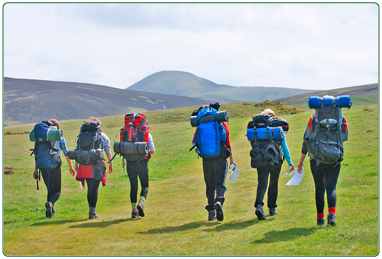
A photo from my past adventures,
West Coast Trail


Cape Chignecto


Very inspiring...what is next???


Friday, 17 July 2015

Play Day!!!

 Adapted PE Games and Sports(Grant)

4 types of games
1. striking and fielding - baseball, soccer
Example,
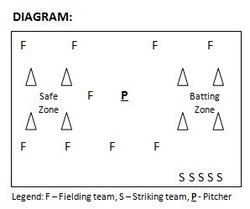
 Danish Long Ball
- simpler, fun, engaging game, preferred over traditional baseball
- adsptations - use a pylon for batting, different striking implements - bat, racquet


http://www.pegames.org/full-length/danish-long-ball/

2. invasion - soccer, baseball
Example,
Goalball - designed for visually impaired - hit or roll a ball into the opposing teams net
adapt - bell in ball
- role model with wearing blind folds, do some lead up trust games

http://www.dhamilton.net/goalball/HOW_TO_PLAY_GOALBALL/How_to_Play_GOALBALL.htm

https://www.youtube.com/user/ParalympicSportTV - watch videos of the game


3. wall and net games - tennis, volleyball
Example, Sit Volleyball - designed for able bodied and physically disabled, buttocks always in contact with floor


4. target games - curling, bocce
Example - Bocce - roll a set of 4 bocce balls trying to be closer to the target ball (white) then your opponent
adaptation - chute to roll ball down, switch to move ball, bean bags instead of balls
local hero - Kevin Worthylake - para-olympian bocce player


http://www.wikihow.com/Play-Bocce-Ball - how to info

local hero - Kevin Worthylake - para-olympian bocce player
video of Keven
https://www.youtube.com/watch?v=_e3Otm4mMVk


                                                   One word for class today

                        FUN, FUN, FUN!!!!!!!!!

Thursday, 16 July 2015

Day 7

1 final presentation,

Health Related Fitness(Kate)

Fitness is being fit to prevent secondary chronic diseases and be able to move freely, comfortably and independently through all aspects of life across a person's lifespan

aerobic functioning - cardiac
body composition - BMI, circumference
Muscular strength and flexibility

- individualized not comparing results to another person
- focus on progress, not performance
- should be inclusive as disabled have right to fitness development as well

Modifications for Assessment
-pre-teach skills needed for assessment
-task analysis
- use only parts of the test
-alternate environment
-visual supports

Canadian Assessment has moved to Canadian Assessment of Physical Literacy

http://sportfitcanada.com/home - provides suggested sports for the individual at end of assessment that are geared to the student's strengths

tracking apps for motivation may include,


MAKE IT FUN!!!

Positive feedback from peers on yesterday's presentation
- liked the quiz to start, engages/hooks the audience
- good use of video
- good enthusiasm
- good teamwork
-clear slides
- nice way of concluding
-great background
-engaging,connecting
- good outline of the guts(5 principles)

-useful when completing the self reflection and marking
-challenging to give myself credit when assessing myself -  a positive exercise to put ourselves in our students shoes

General Philosophical Approaches (How do we instruct)

1. Humanism - emphasizing the whole self, intrinsically motivated, teach personal responsibility
       - reference Don Hellison (Chicago - 5 levels of high 5 for development)

2. Behaviourism - systemic planned organization of the environment to help students achieve success

3. Eclectic- pull bits and pieces, best elements of the other approaches

Instructional Styles
Direct Style

instructor makes decisions
- suited for LDI students frequently
- often matched with behaviourist philosophy

Indirect Style
-often matched with higher functioning
- child centered, student is active participant in problem solving and self-discovery
- example would be "playtime"

I am a combo of direct and indirect which may be task style/differentiation
- build on student interests and strengths to set goals but implement extreme structure to teach  those goals
- should be all about modification and adaptation to enhance everyone's success and be physically literate
- balance adaptation to accommodate student needs but  if the game is too different be cautious of ruining the integrity of the game and call it something else and offer the "real game" at another time, possibly after school for the really competitive students

Looking back at the day I appreciated the flow. Starting with outlining the philosophies, progressing to instructional styles and finally adaptations.It is beneficial to think about my practice and analyze what approaches I apply. When we are in the midst of our teaching we do not have time to look back and reflect. I am leaving thinking I prefer to apply an eclectic philosophy with a combination of direct and indirect instructional style that includes many adaptations. I build my programming on student interests and strengths and then implement extreme and individualized structure to teach to those goals. It will be interesting to probe into this further and see if I change my opinion.


Wednesday, 15 July 2015

Day 5 The Kids are Having Fun!

THE KIDS ARE HAVING FUN!!!!

New PE philosophy is fitness based over specific sport skill based (ie/ volleyball, basketball)

"Just having fun with my friends, I don't even realize I am working" (quote from video)

Dr. John Ratey  (author of Spark)
-implemented program locally at Landmark East School
- start their day with PE get heart rate up for 20 minutes before their hardest classes leads to more targeted focus in class and research shows significant success
- fitness based programming
- exercise is brain fertilizer (Miracle Grow)
- research is showing exercise and learning are connected ***that is scary when you think of the present day obesity rates which lead to a lack of fitness***
- go to the outside community for funding
- "exercise is as much an academic exercise as much as an athletic one"

Helpful websites,

http://canadiansportforlife.ca/

http://pecentral.org/

http://www.pecentral.org/
- links to tons of lesson plans

http://www.phecanada.ca/
- supports schoold in becoming "Healthe promoting schools", QDPE
- links to advocacy, programs, resources, events and awards

www.nchpad.org
- physical activity, health promotion and disability serving those with physical, sensory and cognitive disabilities across the lifespan

http://www.shapeamerica.org/
- advance professional practice and promote research related to health, PE, physical activity, dance and sport

http://www.twu.edu/inspire/
- instructional techniques, inclusion strategies, sport orgs, health and safety issues and parent page for activities in home and community

http://canadiansportforlife.ca/

http://pecentral.org/

http://www.pecentral.org/
- links to tons of lesson plans

http://www.phecanada.ca/
- supports schoold in becoming "Healthe promoting schools", QDPE
- links to advocacy, programs, resources, events and awards

www.nchpad.org
- physical activity, health promotion and disability serving those with physical, sensory and cognitive disabilities across the lifespan

http://www.shapeamerica.org/
- advance professional practice and promote research related to health, PE, physical activity, dance and sport

http://www.twu.edu/inspire/
- instructional techniques, inclusion strategies, sport orgs, health and safety issues and parent page for activities in home and community

Webinar or Activities for Students with Low Incidence Disabilities by Kristi Roth
- amazing activities
-contact Roxanne for to view again in the future


Denzel - math idea


Click and Clue -app for scavenger hunts

Tuesday, 14 July 2015

Day 4 Sensory Processing

Feeling more on track after checking in as a group. I now have a group and a topic. Now it is time to get to work and become familiar with Special Olympics Motor Activities Training Program (MAPT).

Muti-sensory environments
Video of Stockton Elem School's (Chicago) Snoezelan  room. I didn't realize it was a made up name I had always thought it was the name of the concepts creator. I can't wait for my students to experience Acadia's Snoezelan room. I feel blessed that my program have priority for access to the room. The room will definitely be a gift to all the students in our community that are fortunate enough to experience this unique environment that allows self discovery. Thank you Roxanne for all the effort and energy you continue to put in to this project to open doors for so many students.

It is beneficial to hear the theoretical side of movement from an APE perspective. Now I need time to think of my students and apply the information below. After applying this to my students I will discuss my thoughts with the occupational therapists when they consult. With more carefully planned activities  I may be able nudge my students along in their sensory development.

SNOEZELAN ROOMS

Below I have highlighted the slides from the PowerPoint that I feel are most applicable for assessing the present sensory programming for my students. Now I just need time to find a quiet place to relate this theoretical info to my current practice. Very busy times with 2 courses in 10 days!

The following are excerpts are from the class PowerPoint(shared with Roxanne's consent)

What is Snoezelan?
“…a sensitive, caring, non-directive approach in which the atmosphere of safety and security is encouraged. The enabler and participant will share a common, positive emotional experience during the activity. There is no formal focus upon therapeutic outcome – rather the focus is to assist users to gain maximum pleasure from the activity that they and the enabler are involved in.”

What is the Snoezelan Philosophy?

An environment controlled by the participant
The opportunity for the participant to make choices
A safe, comfortable atmosphere
An air of enjoyment and well-being
An improved relationship between participant and care giver
Freedom from the pressure to perform and achieve
Less obvious emphasis on goals and outcomes
An enhancement to quality of life
A new approach to care giving
A beneficial aid to teaching
A creative approach to therapeutic gain

Snoezelan rooms include,
Interesting lighting effects
Variety of sounds
Intriguing aromas
Tactile experiences
Vibrosonic sensations
Massage and vibration
Gentle movement
Choice of activity
Opportunities for interaction and engagement

Basic Neurological Building Blocks
- Sensory Systems - "Sensory integration the is org of sensation for use. Our senses give us info about the physical conditions of our body and the environment around us. Sensations flow into the brain like streams flowing into a lake." Jean Ayres
1. Register sensation
2. Orient to it
3. Use past and current info to interpret it
4. Execution, what you do about it

Includes, 
- vestibular
- proprioception
- tactile
- visual
- olfactory
- gustatory
- taste

VESTIBULAR AND PROPRICEPTION SYSTEMS 
integrate to support posture, balance, muscle tone, gravitational security.
Tactile and visual integrate for nutritional and emotional development for sucking, eating, mother-infant bonding and tactile comfort.

Examples of core exercises to help with primitive reflexes,

Tonic Labyrinthe Reflexes
Supine reflex
1. Side bends to pick something up off a chair beside the student
2. Toss ball back and forth while sitting on an exercise ball
3.  Pat balloons while leaning on a pie mat
4. Simon Says "be a bug", "stretch like a cat"
5. Bicycle while on bike on floor
6. Dances
7. Row Row Row Your Boat

Positive Support Reflex (don't bend knees while landing from a jump"
1. Role play jumping in slow motion - task analysis it
2. Bend down and pick up bean bags and put them in a bucket by bending their knees
3. Head and Shoulders Knees and Toes
4. Walk on bubble wrap
5. Jump on bubbles wrap

Asymmetrical Tonic Neck Reflex(difficulty crossing the midline)
1. Hokey pokey
2. Toss ball to left or right
3. Rhythmic gymnastics ribbons to left or right
4. Catching a large light weight ball in the centre line
5. Macarena dance
6. Toss bean bags to play a large tic tack toe on the floor
7. Using a plasma car

Symmetrical Tonic Neck Reflex
1. yoga cat and dog pose
2. Dance Dance Revolution

VESTIBULAR SYSTEM
- balance, body in space
Observe for challenges in these areas, 
- walk heel to toe
- delays in hopping and skipping
- balancing on 1 foot
- inefficient walking and running
- walking on balance beam

Helpful items for vestibular
- swing
- hammock
- bouncy ball
- scooter
- outdoor swing
- scooter board
- side to side movement
- hoopla hooping 
- plasma car

VISUAL SYSEM
Observe for,
- squinting 
- rubbing eyes
- redness of eyes

KINESTHETIC SYSTEM 
- move body part on demand
- awkwardness
- touch your finger to your nose

TACTILE SYSTEM
Observe for,
- dislike or resistance to being touched

PERCEPTUAL MOTOR PROCESSES
- moving laterally, body in space, crosses the midline
Observe for,
- never crawled
- avoid going up slide ladder, left to right movement

BODY IMAGE 
- self esteem, knowing and loving who you are


- develops from all sensory input system info as well as from experiences from the body
Monday, 13 July 2015

Day 3 Journal Carousel


Today's  journal carousel was very beneficial.  I appreciated collaborating with classmates to share our different perspectives. I am leaving with a few practical take aways,
1. I plan to implement a peer buddies program with my students. My thought is to collaborate with the teacher from Horton and implement the Best Friends for Lunch program with my students at Avon View. This integration time will include adapted physical education activities. 
2. Adaptive PE is one area where we can attain individualized goals for our student. Our students work on goals in cross curricular subjects and/or activities. For example, a behaviour goal  maybe work done and visit class during sensory time on outings and during direct teaching time. 
3. As teachers we must understand and acknowledge that the boundaries of of inclusion expanding. For example we must provide gender-neutral change rooms and washrooms for students who are on the LGBQ spectrum.
4. As a resource teachers we must have a strong knowledge base of adaptive PE and implement thoughtful and purposeful activities. We must use our common sense, experiment and collaborate with peers to problem solve to best meet our students needs. This quite often involves thinking outside of the box.
5. We must stay grounded and combine theoretical research to our every day practical application in our classrooms. One example of this is Roxanne's dedicated commitment to attending every S.M.I.L.E. session so she can apply research and gather data for future research. 

Day 2 SMILE is Magic

July 8

"SMILE is MAGIC" -- says it all!!!! (Quote from SMILE video)

PROGRAMS TO TRY
Brain gym - Minds Up
Go Noodle
Cosmic Yoga
Just Dance - you tube

GOOD, BAD and the UGLY of Ad. P.E.

Good
- after school clubs - socialization, pre-teaching
- Learn to Move
- daily walks - fitness, self- regulation
- play before eating at lunch
- video modelling 

Bad
- lack of training for PE teachers and EAs
- limited sharing of expertise and information
- shortage of gym space

Ugly 
- attitude issues

Webinar - Inclusion 101 by Michelle Garnier
LRE - Least Restrictive Environment
-- justifies ESP as although it is not the present philosophy of integration it is the LRE for the students who need it, continuum of services 
- in USA legislation ensures adapted PE is part of student's programming

This afternoon I am feeling overwhelmed and HOT. Too hot to reflect. Stay tuned my journals will become deeper...

Day 1 July 7 

Day one of adaptive physical Ed.  It was fantastic to see you again Roxanne. I believe the course is going to be very practical and applicable to my teaching practice. The class consists of an interdisciplinary group of teachers and with Roxanne's leadership and guidance we can all share our areas of expertise to take back to our best practice teaching practice. I really appreciate that the theoretical information will be applicable and usable beginning in September to benefit my students. It is very interesting to get to know the other students, learn a little bit about their backgrounds and share their knowledge base. I am looking forward to learning more about the initial assessment process.